

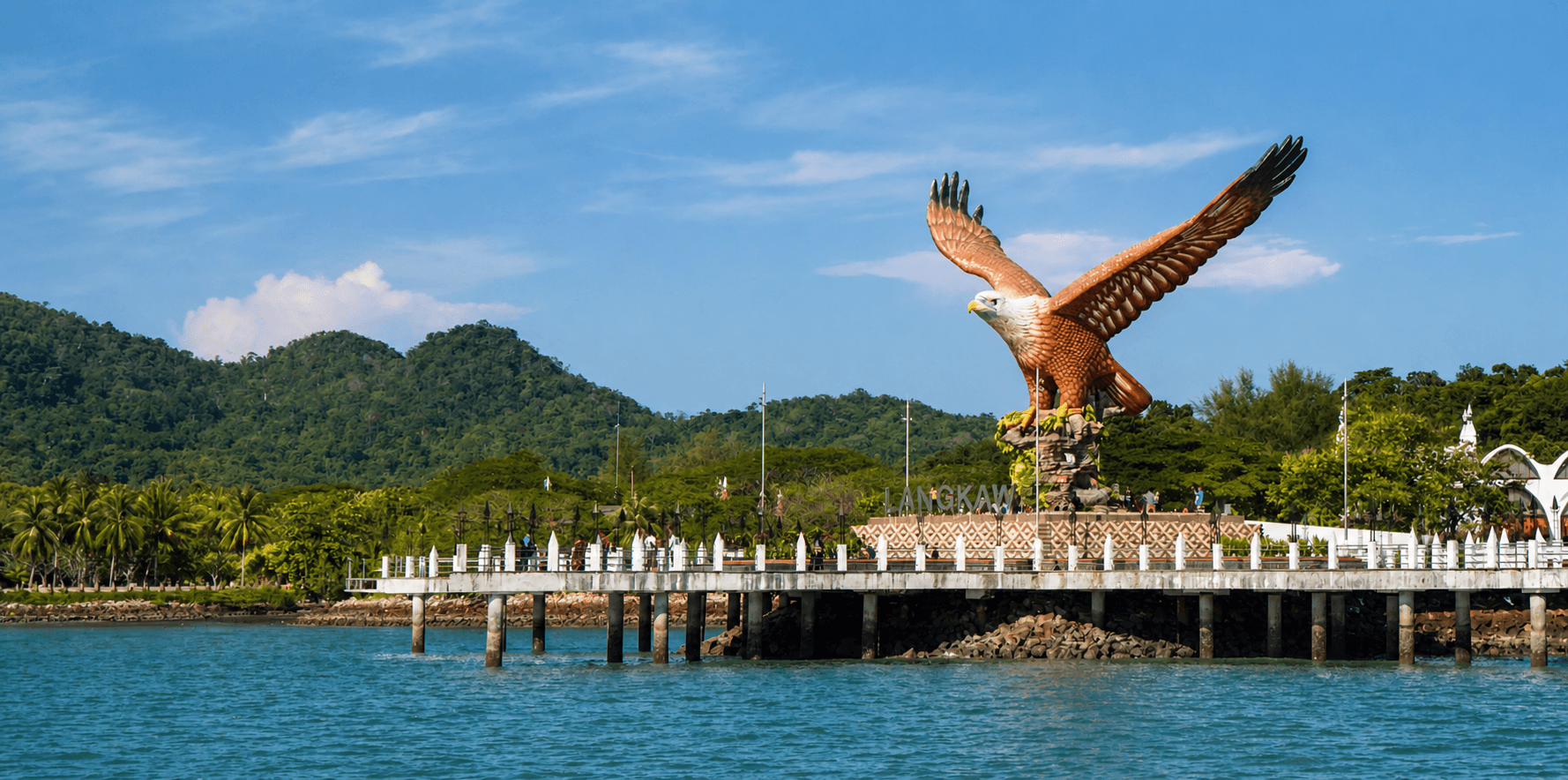
Start your Langkawi journey here with a guide to experiencing the island at its best.
Langkawi doesn’t rush you. It unfolds slowly between long stretches of quiet beach, roads that curve past rice fields, and afternoons that drift into warm, golden sunsets. If you’re planning your first trip, this Langkawi travel guide is designed to give you exactly what you need, with no fluff, just clear and practical direction alongside the kind of insights most travelers only learn after they arrive.
By the end, you’ll know when to go, where to stay in Langkawi, how much to budget, and how to plan your days without overpacking your itinerary.
Why Visit Langkawi in 2026?
Set off the northwest coast of Malaysia, Langkawi is an island that balances accessibility with space. It’s easy to get around, but it never feels crowded in the way larger tourist hubs do.
What makes it stand out isn’t just the beaches — it’s the variety within a compact area. You can start your morning in the rainforest, spend midday by the sea, and end your evening watching the sky turn orange over the Andaman Sea.
Unlike destinations that try to impress with constant activity, Langkawi is better experienced at a slower pace.
For travelers interested in sustainable travel in Langkawi, the island also offers a growing mix of eco-conscious experiences, nature-focused stays, and protected landscapes recognised by UNESCO Global Geoparks.
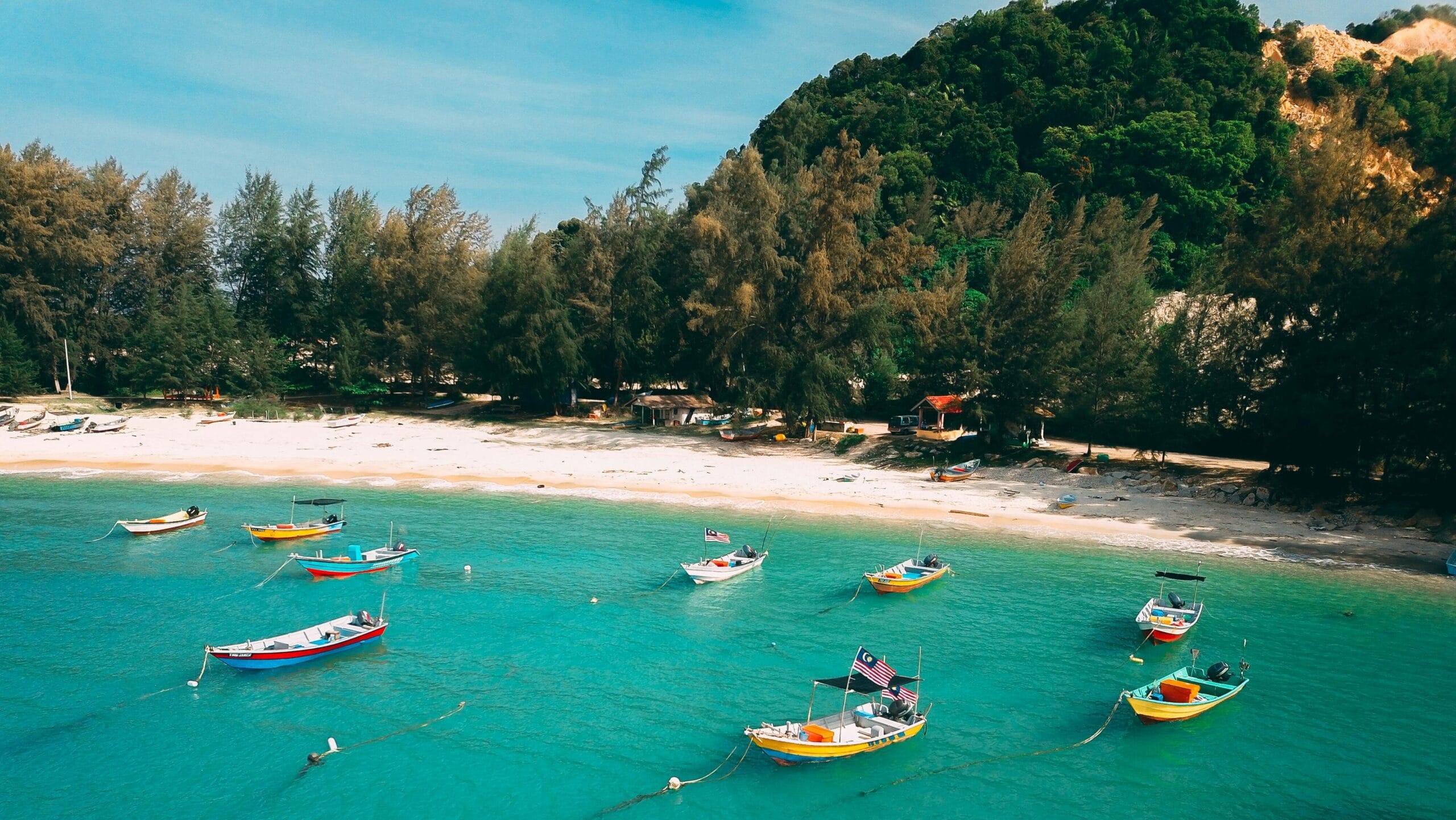
Tropical beach landscape in Langkawi
Best Time to Visit Langkawi (Weather & Crowd Guide)
Langkawi is warm year-round, but the experience shifts depending on when you go.

December to March is widely considered the best window. The skies are clear, the sea is calm, and sunsets are consistently spectacular. It’s also peak season, so prices tend to be higher.

April to August is a quieter period. You’ll still get plenty of sunshine, but with occasional short rain showers. This is often the sweet spot if you want fewer crowds without sacrificing too much weather quality.

September to October sees the most rain. The island turns lush and green, but outdoor plans can be a little unpredictable. If your trip is more about relaxing than activities, it can still work — with lower accommodation rates as a bonus.
The rain usually lasts around an hour, and once it passes, the sun comes out quickly to dry everything up. Just bring all-weather shoes and you’ll be right as rain.
If you enjoy quieter travel periods, this is also a great time to explore some of the island’s lesser-known spots featured in our future guide to hidden gems in Langkawi.
How Many Days in Langkawi Is Enough?
For most travelers, 3 to 4 days is the ideal balance.
Two days can feel rushed — you’ll see the highlights but miss the rhythm of the island. Five days or more allows you to slow down properly, especially if you enjoy quiet mornings and unplanned exploration.
A balanced Langkawi itinerary usually combines beach time, nature, local food, and at least one slower day without fixed plans.
Langkawi isn’t about ticking boxes. It’s about giving yourself enough time to do less, but experience more.
Where to Stay in Langkawi (Area Guide)
Choosing where to stay will shape your entire trip.
Pantai Cenang is the most active part of the island. You’ll find restaurants, cafés, duty-free shops, and easy beach access all within walking distance. It’s convenient, but it comes with more noise and crowds.
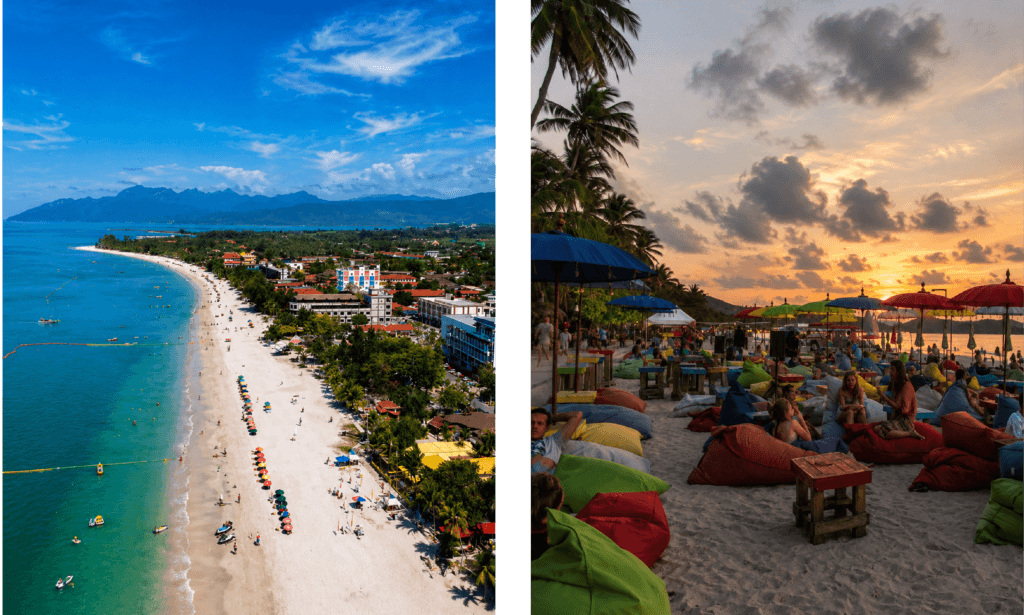
Pantai Cenang by day and sunset, showcasing Langkawi’s lively beachfront atmosphere, scenic coastline, and island charm.
Just a few minutes away, Pantai Tengah offers a noticeably calmer atmosphere. There are still plenty of restaurants and cafés, but without the density of Cenang. Think of it as Seminyak, Bali, about 10 years ago — while Cenang feels more like Kuta Beach.
The beach is quieter, the pace slower, and the surroundings feel more private without being isolated.
For travelers looking for a quieter beachfront resort in Langkawi or a more relaxed Pantai Tengah stay, this side of the island often feels more balanced for longer stays.
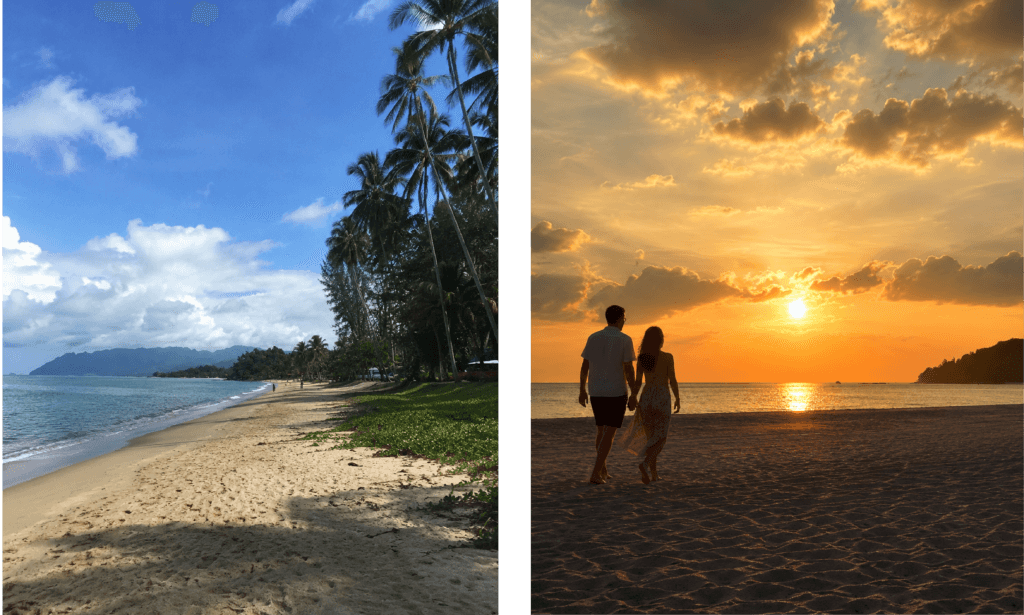
Pantai Tengah’s peaceful beaches and golden sunsets offer a quieter side of Langkawi.
Further north, the island becomes more secluded. This is where Langkawi feels untouched, but you’ll need transport to get around. Some honeymooners prefer this side for the privacy and slower pace.
If you prefer convenience and crowds, stay near Cenang. If you prefer space and quiet, Tengah or the northern coast will suit you better.
How to Get Around Langkawi
Getting around Langkawi is relatively easy, and the best way to explore the island depends on your travel style.
Renting a car is often the most convenient choice. The roads are well connected, traffic is generally relaxed, and having your own vehicle allows you to discover quieter beaches, local cafés, and hidden spots at your own pace.
If you’re planning on exploring beyond the main beaches, searching for a reliable car rental in Langkawi before arrival can save both time and cost.
Scooter rentals are also popular, especially for solo travellers or couples looking for a more flexible and budget-friendly way to explore the island. It’s a great option for short distances and scenic coastal drives.
For travellers who prefer not to drive, Grab is widely available across most tourist areas and is usually affordable. Taxis can also be found near popular attractions and resorts.
Don’t forget to arrange your airport transfer in Langkawi ahead of time for a smoother arrival experience from Langkawi International Airport.
It’s possible to enjoy Langkawi without renting a vehicle — but planning around transport availability will make the experience much easier.
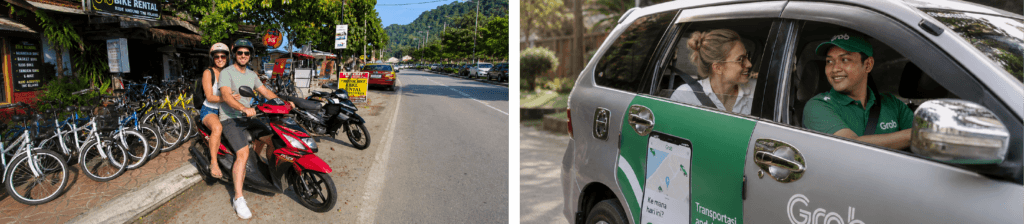
Flexible ways to explore Langkawi — from Grab rides to scooter rentals around the island.
You may also enjoy our upcoming guides on:
How Much Does a Langkawi Trip Cost? (2026 Guide)
Langkawi can be as affordable or as comfortable as you want it to be. Here’s a realistic daily estimate:
- Budget travel: RM150–250/day
- Mid-range: RM300–600/day
- Premium stay: RM700+/day
Accommodation is usually the biggest factor. Food, on the other hand, is relatively affordable — even at beachfront spots.
A simple local meal might cost RM10–20, while a café or restaurant meal ranges from RM25–60. Activities like island hopping or mangrove tours typically fall between RM50–150.
Compared to many island destinations, Langkawi offers strong value for what you get.
If you’re planning food-focused experiences, our upcoming guide to best breakfast spots in Langkawi will help narrow down local favourites beyond the tourist-heavy areas.
Top Things to Do in Langkawi (Beyond the Obvious)
here are a few well-known attractions — but the way you experience them makes the difference.
The Langkawi Sky Bridge offers one of the best panoramic views on the island. Going early in the morning helps you avoid both crowds and haze.
Nearby, the Langkawi Cable Car gives you sweeping rainforest and mountain views on the journey up.
A mangrove tour through the Kilim Karst Geoforest Park reveals a completely different side of Langkawi — limestone cliffs, quiet waterways, and wildlife that you won’t see near the beaches.
Visiting Telaga Tujuh Waterfalls after rainfall offers a more dramatic and refreshing experience, with stronger cascades and misty rainforest views.
And then there are the simple moments — walking along the beach in the late afternoon, when the heat softens and everything slows down.
For travellers looking to explore beyond the usual attractions, these guides can help you discover a different side of Langkawi:
- Mangrove tour guide in Langkawi
- Hidden nature spots in Langkawi
- Best things to do in Langkawi for couples
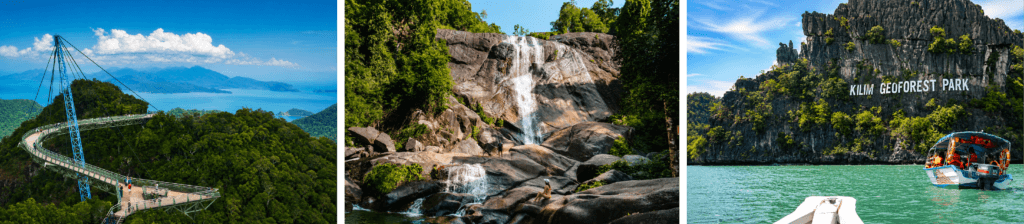
rom panoramic views at the Sky Bridge to the natural pools of Telaga Tujuh and the mangrove landscapes of Kilim Geoforest Park, Langkawi offers a mix of adventure and nature across the island.
Sample 3D2N Itinerary (Balanced & Realistic)
Day 1: Arrival & Easy Start
Afternoon
- Arrival at Langkawi International Airport
- Transfer to hotel and check-in (e.g. Pantai Tengah or Pantai Cenang area)
- Light rest and freshen up
Late Afternoon
- Beach walk along Pantai Tengah or Pantai Cenang
- Optional: short café stop (e.g. Yellow Café / Hidden Langkawi café spots)
Evening
- Sunset by the beach
- Dinner nearby (e.g. The Cliff Restaurant / Orkid Ria Seafood)
- Early night to recharge
Day 2: Iconic Experiences + Free Time
Morning
- Visit Langkawi Cable Car (SkyCab)
- Walk across Sky Bridge
- Optional: SkyDome / SkyRex for quick experiences
Midday
- Lunch at Oriental Village or nearby café
Afternoon (Flexible)
- Relax at hotel pool or beach
OR - Explore nearby cafés / spa session
OR - Short drive around island viewpoints
Evening
- Return to beach for sunset
- Dinner (e.g. beachfront dining or casual café)
- Optional: light night stroll or live music spot
Day 3: Nature & Departure
Morning
- Option 1: Mangrove Tour (Kilim Geoforest Park)
OR - Option 2: Visit Telaga Tujuh (Seven Wells Waterfall)
Midday
- Return to hotel
- Lunch at a local café or restaurant
Early Afternoon
- Pack up, relax briefly
- Check-out and transfer to airport
Practical Travel Tips (That Actually Matter)
Sometimes, the smallest decisions shape your trip more than the major attractions.
Try to catch at least one sunset by the beach during your stay — it’s one of the simplest but most memorable parts of being in Langkawi.
Start your day early for popular spots — it’s cooler, less crowded, and the experience feels completely different in the morning.
Wear light clothing, but keep an umbrella or light rain jacket nearby — tropical weather changes quickly, though the rain usually passes fast.
Rent a car or scooter if you plan to explore beyond the main beach areas — some of Langkawi’s best spots are found between the quieter roads and coastal drives.
Keep some cash with you for small shops, local food stalls, or beach vendors that may not accept cards.
And most importantly, don’t pack your schedule too tightly. Langkawi is the kind of place that’s better enjoyed slowly rather than rushed.the island at a slower pace and appreciating the quiet moments in between.
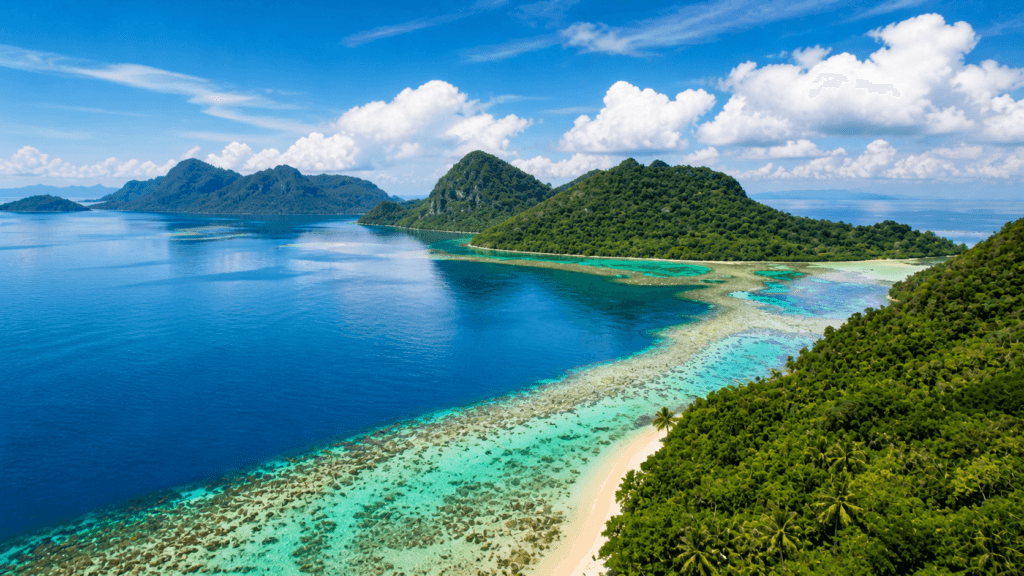
FAQ About Langkawi
Is Langkawi worth visiting?
Yes — especially for travelers looking for a mix of beaches, nature, food, and slower island experiences without overwhelming crowds.
How many days in Langkawi is enough?
Most travelers find 3 to 4 days ideal for balancing relaxation and sightseeing.
Is Langkawi expensive?
Langkawi can suit both budget and premium travelers. Food and transport are generally affordable compared to many island destinations.
Do I need a car in Langkawi?
Not necessarily, but renting a car or scooter gives you much more flexibility, especially outside Pantai Cenang.
Which area is best to stay in Langkawi?
Pantai Cenang is better for convenience and nightlife, while Pantai Tengah is preferred for a quieter and more relaxed atmosphere.
Final Thoughts
Langkawi isn’t about checking off attractions — it’s about how you move through the island.
If you plan just enough to stay organized, but leave space to explore naturally, you’ll experience a version of Langkawi that feels far more personal.
For travelers looking for a quieter eco-friendly resort in Langkawi or a more relaxed beachfront experience near Pantai Tengah, slowing down often becomes the best part of the trip.
And that’s what most guides don’t tell you.
